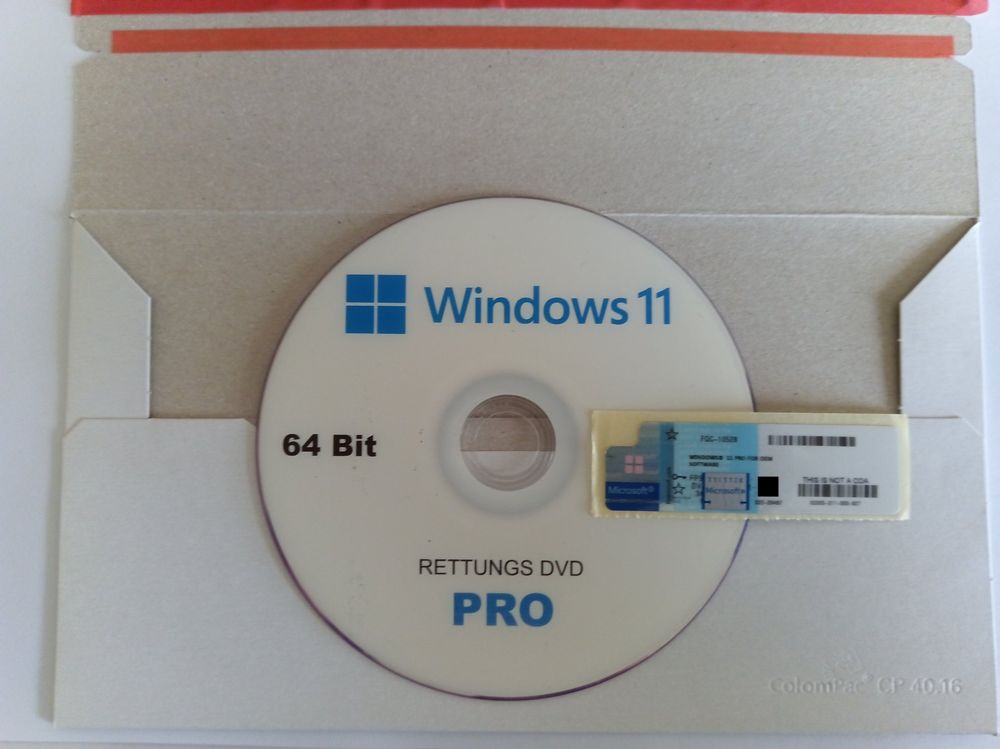
20 Essential Ideas For Deciding On Windows 11 License Websites
Microsoft Office And Windows Licensing Options For Small Businesses. It's a strategic investment which minimizes risk in the long term, ensures compliance and scales up with growth. An unintentional mix of grey market `windows 11 oem` keys and standalone Office license purchase" creates a fragile, unmanageable and unsecure IT foundation. True cost-effectiveness comes from knowing the ways in which Windows licensing, Office subscriptions, and even security tools work together to create a cohesive system. This guide outlines ten crucial considerations beyond just price tags for building an effective, sustainable and affordable software ecosystem for growing enterprises.1. Windows 11 is not suitable for business use.
The most frequent and costly mistake is purchasing a cheap `windows 11 home key` for a workstation used by businesses. Windows 11 Home does not allow the joining of to an Active Directory or Azure Active Directory domain. Additionally, it does not support BitLocker to protect sensitive data. Additionally, it forces unreliable updates. Windows 11 Pro should be utilized on systems that manage sensitive business data. The modest upfront cost over Home is unaffordable for security, efficiency and professional credibility. Businesses using Home licenses are using the latest software for consumer use, which could be risky.
2. Calculator "Hardware Refresh:" OEM vs. Retail.
When you `windows 11 kaufen for business and business, the OEM option is versus. Retail decision has long-term financial consequences. An OEM license is more affordable upfront, but expires after the first computer it's installed on. A retail license can be transferred. OEM licenses can be the best option for low-cost, disposable PCs which you replace every 3-4 years. Retail licenses can be a great option for workstations with higher end specs, or when you want to upgrade components. Calculate your Total Cost Of Ownership (TCO). For instance If the lifecycle of your PC costs $800, and the OEM Pro license cost $140 instead of. costing $200 at retail 60 Retail upgrades is a cheap insurance plan against decommissioning of your hardware in the near future.
3. The Microsoft 365 Ecosystem: Where Real Cost-Effectiveness is Real.
For companies that are dynamic, the era of a office licensing purchase (like Office 2021) is over. Microsoft 365 Business Premium (approx. The most affordable package is usually Microsoft Business Premium 365 ($22/user/month). It includes: Windows 11 Pro upgrade rights (solving your `windows 11 lizenz kaufen` need), the full Office suite, 1TB OneDrive cloud storage, business-class email, and--crucially--Intune for device management and Azure AD for identity. This subscription is legal for all desktop products and offers management tools you can't get by using standalone software. It transforms IT from an investment cost (CapEx), into an operating expense that is predictable (OpEx).
4. Windows 7 Upgrade Path - A compliance and security mandate
Businesses who cling on to "Windows 7" are atop the ruins of outdated applications. Upgrades aren't just about new features, but also to ensure security and for compliance. It's not enough just to buy a Windows 11 license. It's a good opportunity to reconsider your approach to software. Migrating from Windows 7 + perpetual Office to a device powered by a Microsoft 365 Business subscription modernizes security, enables cloud backup, and facilitates remote work. The subscription is what you pay, not a brand new OS.
5. Knowing "CAL" Shadow costs in future growth.
Client Access Licenses, also called CALs, are required if an on-premise server, such as Windows Server 2025 is needed for file sharing or databases. Each device connected to the server needs a Client Access License (CAL). This is an additional expense to Windows 11 pro desktop licensing. Budgets for small businesses should include CALs in their long-term plans. Windows 11 Home or unlicensed use (which isn't legal to use Windows Server in business contexts) creates serious compliance risks when it comes to software audits.
6. Bundling in contrast to. best-of-breed Integration of Security.
The complexity of licensing can be affected by the choice that you make between Windows Defender and a suite from a third-party, such as Norton 360 or Kaspersky Premium. Microsoft 365 Premium offers enhanced Defender security, as well as centralized threat-management. It's not always essential to include an external suite as it would only increase expenses and cost. If you're looking for a solution that meets your specific regulatory needs or you are looking to work with a third party platform, then consistency is crucial. Licensing one solution across all workstations is more efficient and less expensive than a patchwork. The "cost" in security is typically the effort to manage disparate systems rather than the subscription fee.
7. The Grey Market Trap: False Economy in licensing.
There are rates that are just too good for be true when you search unofficial marketplaces for "office lizenz" and "windows 11. They are typically bulk licenses or OEM keys which violate the conditions of service. These could also be keys from different countries. Microsoft could remove these keys, leaving unlicensed software which is not secure and could result in fines. For a business, this represents an extreme risk that is not budgeted. Purchasing from Microsoft Cloud Solution Providers is the sole way to ensure full legitimacy and support.
8. PerpetualOffice2021 The Niche for Static Air Gapped scenarios.
Office Professional 2021 is a prime copyrightple of a stand-alone perpetual "office lizenz" with a restricted usage. The standalone perpetual office lizenz (e.g. Office Professional 2021) is still a narrow business case. It is rare. For small-sized businesses, subscription models offer more functionality, especially in the area of collaboration tools (Teams/SharePoint), cloud storage of files, and mobile accessibility. Perpetual licenses mean locked-in software, sluggish services, and lost productivity.
9. Device-Based vs. User-Based Licenses: Modeling Your Mobility.
Traditional licensing is tied to a device (one Windows 11 OEM license per computer). Microsoft 365 offers a modern user-based model. A single user license is valid for up to five devices, including PC, Mac, tablet and phone. It is an extremely cost-effective option for businesses that have mobile employees, hybrids, or that provide desktops and laptops. The person is the one who licenses, not the machine. When you are planning your licensing strategy, consider the actual mobility of your workforce. The use of a user-centric approach will typically decrease the amount of licenses, compared to an approach that is device-bound.
10. Designing an Coherent stack for Audit-Ready.
The goal of a modern small-sized company is to build an IT stack that is simple, documented and legally coherent. Microsoft 365 Premium for Windows 11 Pro (per user), Office, Management, Security + Retail or OEM Windows 11 Pro Licenses for any device (e.g. kiosks) not covered under the subscription + Security postures that are consistent, controlled and managed (either by using Defender in M365, or through a central third-party tool). This stack offers audit-ready functionality that is flexible and reliable. Its "cost" is the chaos it prevents, which includes downtime, data losses and legal risk in the event of non-compliance. See the most popular windows 11 lizenz for website info including micro soft outlook, windows server 2019, office 2016, windows office software, ms office 2016, microsoft visio software, office 2016 software, ms office 2016, visio software download, microsoft office download and more.

The Real Cost Of Software - Why Windows Licences & Antiviruses Save The User Money.
In the world of digital technology where saving money on software for the short term can have disastrous consequences for the long term. If you purchase a low-cost Windows 11 OEM key from the grey-market or choose to not use a strong antivirus program like Kaspersky Premium instead of doing nothing, your calculation of value and risk is flawed. The real cost of software does not depend on the price it is purchased for. It is derived from the total Cost of operating (TCO), which is the total of security-related breaches as well as lost data, downtimes, compliance fines and productivity losses over the duration of the software. Businesses and serious users are not advised to consider a genuine Windows lizenz, or a professional-grade software suite as an expense. Instead they should see them as critical infrastructure investments that will provide an immediate ROI, by decreasing the risk. This report reveals the ten hidden cost centers that result in the "cheap" option extremely costly by connecting the dots between OS licensing to the server infrastructure and productivity software.
1. The Grey Market License is a liability, not an Asset.
When you buy a Windows 11 license from a non-authorized vendor, it becomes your responsibility. Microsoft will block the keys in large numbers when they are in violation of Microsoft's terms. They're typically volume licenses or MSDNs. The immediate cost to businesses is an inoperable OS. But the true cost is the unfunded budget crisis. This is the time of IT work required to recover data, the price of valid licenses when under pressure as well as any downtime that occurs when an important workstation is destroyed. This is a far cry from the savings of 30 dollars from the initial key. A valid license is a valuable asset that you can count on to perform reliably over the lifespan of the hardware, regardless of whether it is it's the retail version or the OEM-authorized version.
2. OS Integrity Gates Security Software Efficacy
Security suites for antivirus like norton360 or kaspersky work at the kernel-level, and require a fundamental operating system that's unalterable safe, reliable, and secure. To get around validation, grey-market Windows installations use modified system or activation files. These modifications could be flagged as malicious, destabilizing security suites, or more dangerously, they can create backdoors, rendering the antivirus blind. You purchase a premium security (kaspersky), but you place them outside a building where the architectural plans were sold to criminals. The corrupted building foundation nullifies the security guard's ability to work.
3. Time Bombs for Compliance and Audit: A Risk for Business.
When a company uses unlicensed software, they're playing Russian roulette. For a business that is running Windows server 2025that has the correct `cals` but with clients running grey market Windows, an audit triggers a "true-up" invoice for the full retail price of every illegitimate desktop license as well as possible penalty charges. The unplanned and sudden investment in capital can be several thousand dollars. It could exceed all savings in the past. A valid license is an insurance policy that protects you from financial shocks.
4. Data loss is the most expensive unbudgeted cost.
The primary vector for ransomware and other malware that steals data is via vulnerability that is not fixed. Windows Updates are often broken or delayed on non-genuine Windows installations. The risk of system vulnerabilities is increased when security patches aren't installed in a timely manner. The cost of one ransomware virus, which includes the ransom fee (with no guarantee that it will ever be paid), the cost for investigational IT services and lost data as well as the interruption to business, could put an individual company in financial ruin. The cost per month of an Windows 11 Pro legitimate license and an antivirus subscription in the top of the line is not much when compared to the risk.
5. Productivity Suite Instability on a Fake Foundation.
Installing a legitimate Office licence on fake Windows installation is like making a house out of Sand. The activation and update functions for Office are tied to the Microsoft ecosystem's stability. Windows that is not activated or infected can cause Office activation to fail, which can result in reduced functionality banners and cloud sync issues. Investments in productivity software can be wasteful if the platform was made to fail. For reliable productivity, you'll need an OS that's trustworthy and reliable.
6. The IT Multiplier to create a fragmented unofficial stack.
It's a nightmare manage a cluster of computers equipped with different grey-market products with mixed antivirus, and without central administration. Every issue is not addressed and requires a considerable amount of time to determine. Take a look at an organization with valid Windows 11 Pro licenses, operated through Intune (included in Microsoft 365 Business) and a centrally managed security console. The latter drastically reduces the average time required to fix an problem (MTTR). Software licenses can be bought for less but the cost of labor are exponentially more expensive.
7. The upgrade path dead end and its future cost
A grey market windows home key or Pro key doesn't provide any legitimate upgrade pathway. You must purchase a new license if you want to upgrade your hardware, or connect it with the new "Windows server 2025" system. It is usually more expensive. A valid Retail License is transferable. Microsoft 365 includes rights to perpetual updates. You're locked into an endless cycle when you purchase the key for a low price.
8. Performance taxes on software "Bargains" and Conflicts
When illegal tools are used to activate gray-market Windows they usually run a in a background process that continuously consumes memory and CPU resources and interfere with legitimate software. The "performance tax" can cause slowdowns in trading platforms. Also, it affects the development environment. The time lost to slower performance--compounded over months and years--represents a significant, hidden cost in lost human productivity. If you've got an authentic, clean computer, all your hardware resources will be devoted to doing the work.
9. Professional Reputation, Client Trust and Loss.
For a business, using unlicensed software is a professional risk. If a customer discovers your company is slacking using the foundational software, the cost is irreparable. It demonstrates a lack of concern for security, legality, and the integrity of operations. This can be a factor that disqualifies a company from an auction or due diligence. It is the cost of lost contracts, lost partnerships, and a damaged image, infinitely higher than the price of a software license.
10. The Holistic Ecosystem Value vs. Disjointed "Savings".
The most cost-effective approach is a holistic, legitimate ecosystem. Microsoft 365 Business Premium is a good copyrightple. It comes with a an authentic Windows 11 Pro, the latest Office apps, 1TB of safe storage in the cloud, and also professional email as well as advanced security/mobile devices management, all at an annual fee that is predictable. This is a way to avoid the gray-market Windows search (`windows 11 kaufen), the standalone `office lizenz kaufen` and, in most cases, the requirement to purchase a separate antivirus, as it includes an enhanced version of Defender. The TCO of the system is clear as well as manageable. It is also legal. The "savings" that are achieved by assembling illegal parts are just a figment of the imagination. They disappear when you think about the risk of labor, as well as the losses. View the top rated windows server 2025 for blog recommendations including windows server 2016 server, ms office 2016, microsoft visio software, microsoft ms office 2016, ms office 2016, microsoft office key, ms office 2019, ms visio, office key, office 2016 and more.